

Hear from Our Customers
You’re dealing with a musty smell that won’t go away. Maybe you’ve spotted discoloration on your walls or ceiling. Or maybe someone in your house has been coughing more than usual and you can’t figure out why.
Here’s what matters: you need to know if mold is the problem, where it’s hiding, and how bad it actually is. Not a guess. Not a DIY kit that may or may not tell you anything useful. Real testing with real equipment that gives you actionable information.
That’s what professional mold testing does. We use thermal cameras to find moisture you can’t see, air sampling to measure spore levels, and surface testing when we need to identify specific mold types. You get a clear report that tells you what’s happening in your home and what to do about it.
No more wondering if that spot is dangerous. No more worrying whether your kids are breathing something harmful. Just answers.
Mack’s Mold Removal is a locally owned mold testing company serving Sundale and the surrounding Bucks County area. We know the homes here—many built around the mid-80s with basements that see moisture issues, especially with Pennsylvania’s precipitation up 5% to 10% in recent years.
We’re not a national franchise. We’re your neighbors, and we’ve seen what mold does to homes in this area when it’s ignored or mishandled.
Our team uses certified testing protocols and professional-grade equipment because we know you’re making decisions based on what we find. That’s not something we take lightly. When you call us, you’re getting someone who understands Bucks County homes and the specific challenges that come with them.
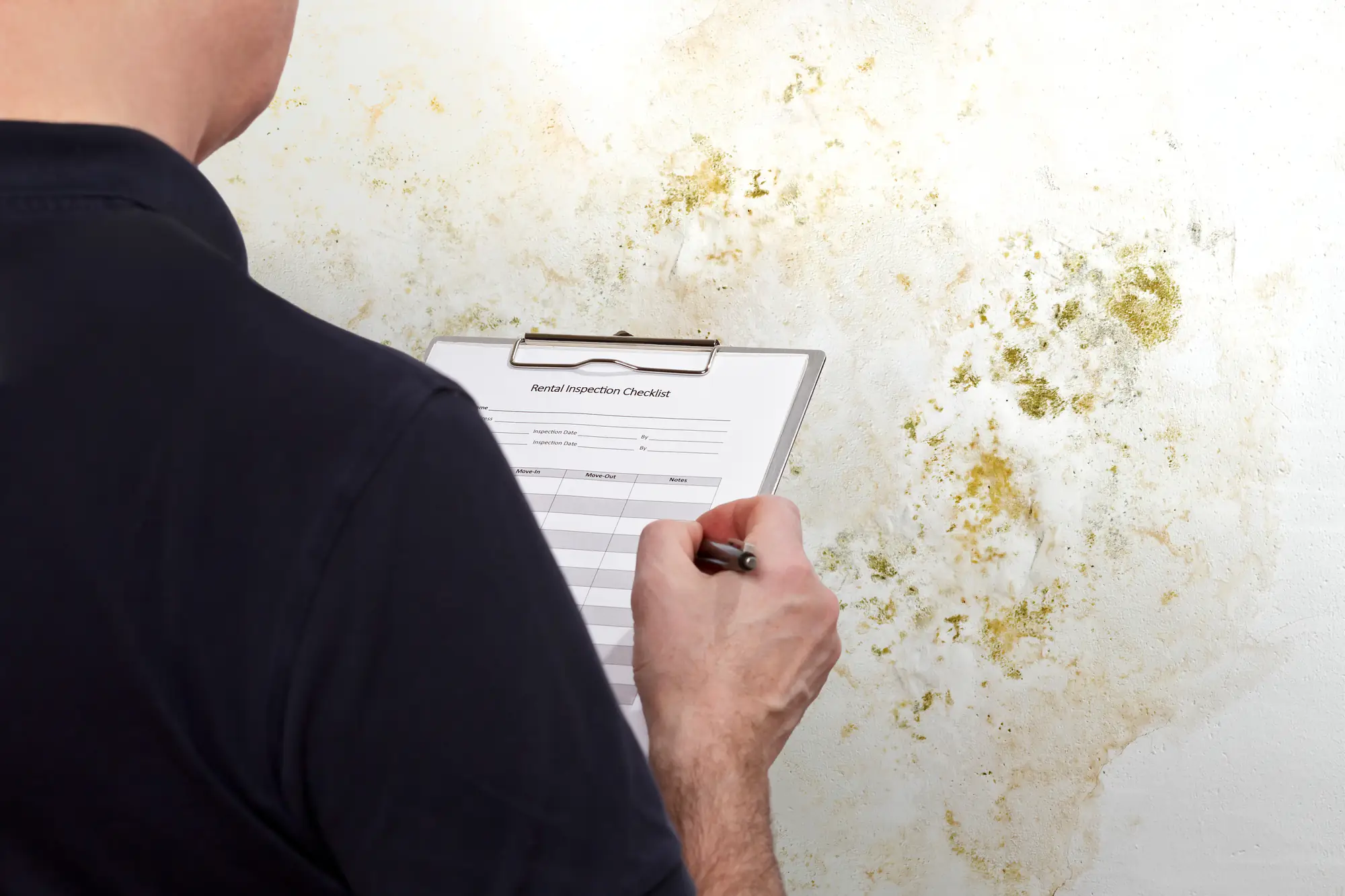
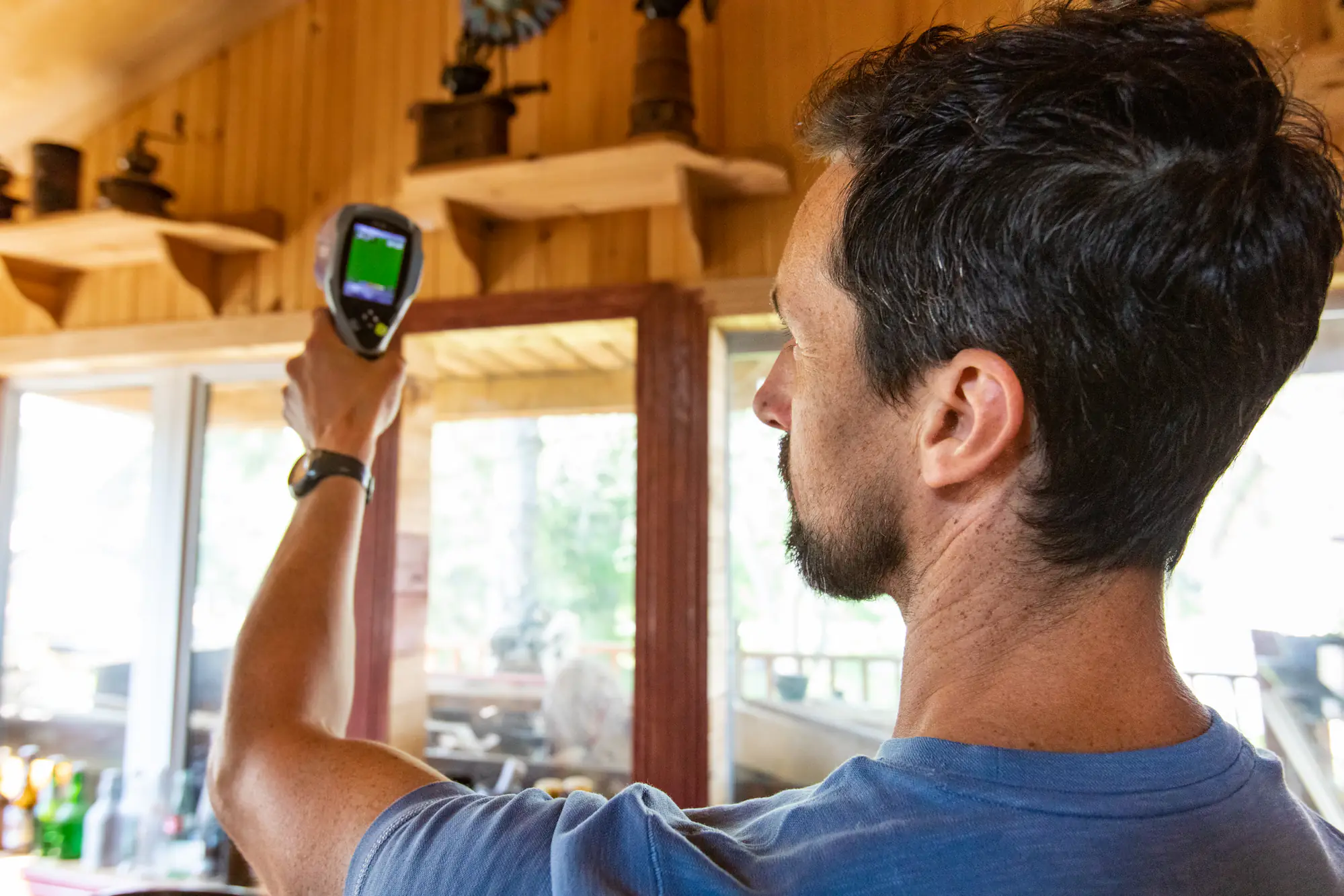
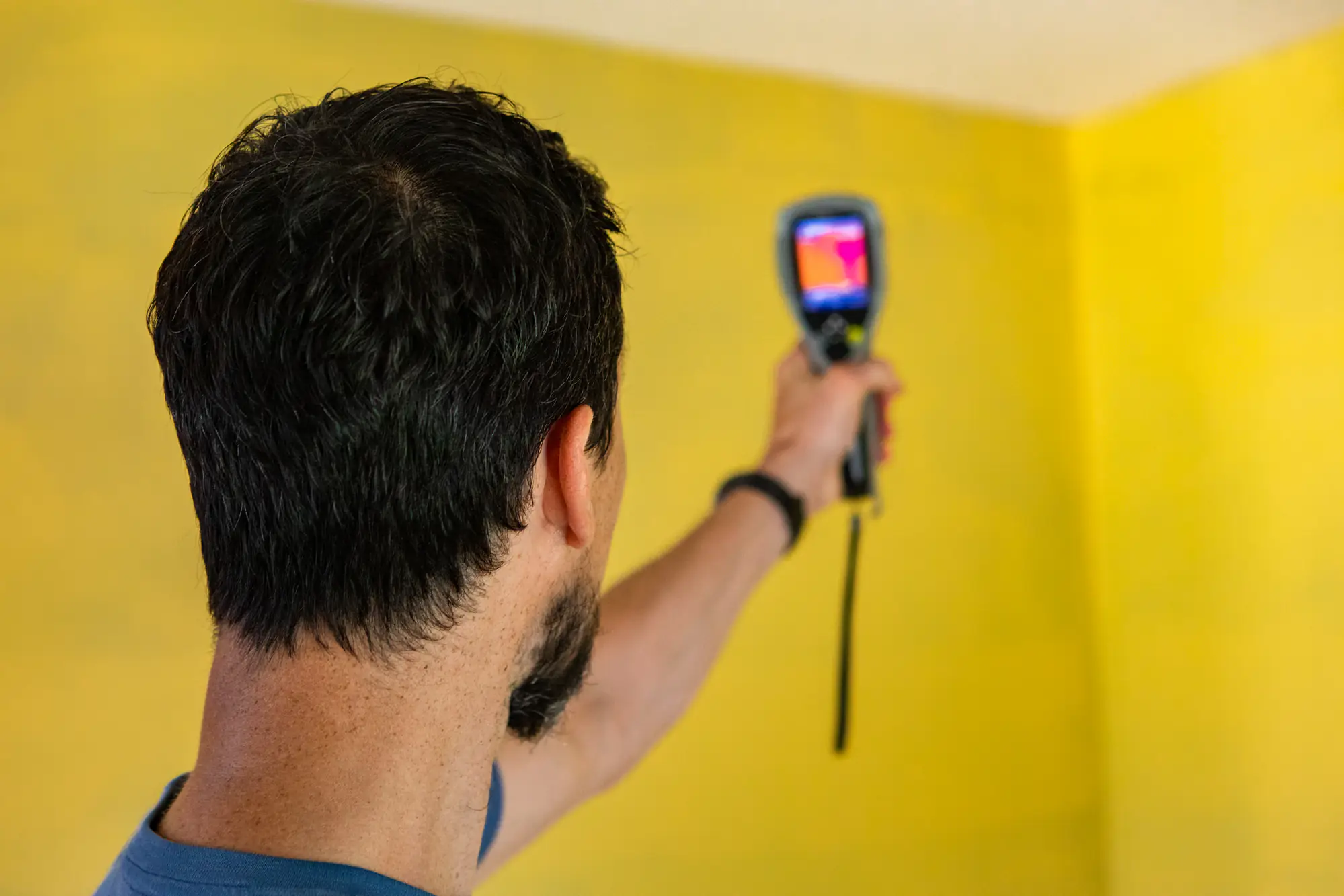
First, we do a visual inspection of your property. We’re looking for visible mold growth, water stains, discoloration, and any signs of moisture intrusion. We use thermal imaging cameras to detect temperature differences that indicate hidden moisture behind walls or under floors.
Next, we measure moisture levels with professional-grade meters. Mold needs moisture to grow, so finding the source is critical. We check walls, ceilings, floors, and any area where you’ve noticed issues or where our inspection raises concerns.
Then comes the actual testing. Depending on what we find, we may take air samples to measure airborne spore concentrations or surface samples to identify specific mold types. If lab analysis is needed, we send samples to a certified third-party lab and get you results within a few days.
Finally, we walk you through the report. You’ll know what type of mold is present, where it’s located, how severe the issue is, and what your next steps should be. If remediation is needed, we’ll explain the scope. If it’s minor and you can handle it yourself, we’ll tell you that too.
Ready to get started?
When we test your home, you’re getting a full assessment—not just a swab and a bill. We bring thermal cameras, moisture meters, laser particle counters, and spore trap sampling equipment. This isn’t a quick walk-through. It’s a methodical process designed to find problems before they get worse.
In Sundale and throughout Bucks County, we’re seeing more mold issues tied to increased rainfall and aging home infrastructure. Basements, crawl spaces, attics—these are the usual suspects. But mold also hides in HVAC systems, behind drywall, and under flooring. Our equipment helps us find it even when it’s not visible.
You’ll receive a detailed report that breaks down what we found, where we found it, and what it means for your health and your home. We also identify the moisture sources feeding the mold growth, because fixing the mold without fixing the moisture problem means it’s just going to come back.
This is about giving you the information you need to make a smart decision. Whether that’s moving forward with remediation, addressing a small issue on your own, or getting documentation for a real estate transaction.
The cost of mold testing depends on the size of your home, how many areas need to be tested, and whether lab analysis is required. Most residential mold inspections in Sundale range from a few hundred dollars for a basic assessment to more if extensive sampling is needed.
Here’s what affects price: a small condo with one suspected area costs less than a 3,000 square foot home with multiple moisture issues. Air sampling and surface sampling sent to a lab add to the cost, but they also give you the most accurate information about what’s actually growing in your home.
We give you a clear breakdown before we start. No surprises. If you’re dealing with a real estate transaction, insurance claim, or health concerns, the investment in accurate testing usually saves you money and stress down the line.
DIY kits can tell you if mold spores are present, but that’s about it. The problem? Mold spores are everywhere. They’re in every home, all the time. What matters is the type of mold, the concentration, and whether it’s at levels that pose a health risk or indicate active growth.
Professional mold testing uses calibrated equipment to measure moisture levels, airborne spore concentrations, and identify specific mold species. We’re trained to know where to look and what conditions allow mold to thrive. A DIY kit might pick up spores from outside air or give you a false sense of security if you test the wrong area.
If you’re trying to make a real decision—whether to remediate, whether to buy a house, whether your symptoms are mold-related—you need accurate data. That’s what professional testing provides.
The on-site inspection and testing usually takes one to three hours depending on the size of your home and the scope of the issue. We’re thorough, but we’re not going to waste your time.
If we’re doing visual inspection and moisture testing only, you’ll get preliminary findings the same day. If we take air or surface samples that need lab analysis, results typically come back within three to five business days.
Once we have the full report, we’ll walk you through it. You’ll know what type of mold was found, the concentration levels, where the moisture is coming from, and what your options are. We make sure you understand what you’re looking at before you make any decisions about next steps.
If you can see mold, you know you have a problem. The question is whether testing still makes sense, and sometimes it does.
Testing can identify the specific type of mold, which matters if you’re concerned about black mold or other potentially harmful species. It can also tell you if mold is growing in other areas you haven’t found yet. And if you’re dealing with a legal issue, insurance claim, or real estate transaction, documentation from a professional mold testing company carries weight.
That said, if it’s a small patch of surface mold in an obvious location and you’re planning to remediate anyway, testing may not be necessary. We’ll be straight with you about whether it makes sense for your situation. We’re not here to sell you services you don’t need.
Mold testing tells you what’s in your environment—the types of mold present and the concentration of spores in your air. It can’t diagnose medical conditions, but it can give you and your doctor important information.
If you’re experiencing respiratory symptoms, skin irritation, or other health issues and mold is found at elevated levels in your home, that’s a data point worth having. People with asthma, allergies, or compromised immune systems are particularly sensitive to mold exposure.
What testing does is remove the guesswork. You’ll know if your indoor air quality is compromised and whether remediation could improve your living conditions. From there, you can make informed decisions with your healthcare provider about whether mold exposure is contributing to your symptoms.
If we find mold growth or elevated spore levels, we’ll give you a clear explanation of what needs to happen. That starts with identifying and fixing the moisture source—because mold will keep coming back if the underlying problem isn’t addressed.
For minor issues, you may be able to handle cleanup yourself with proper precautions. For larger contamination or black mold, professional remediation is the safer route. We’ll outline the scope of work and connect you with next steps.
If you need documentation for insurance or you’re buying or selling a home, the testing report provides that. And if remediation happens, post-remediation testing (clearance testing) confirms the work was done correctly and your air quality is back to safe levels. We handle that too.
Other Services we provide in Sundale